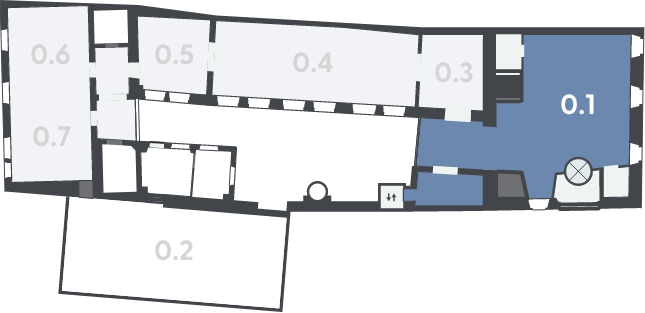
Please use the floor plan or the buttons below to select a room.
0.1 THE FOYER
Dear visitors,
welcome to the Municipal Museum in the Fembo-Haus! Here, you can discover nearly thousand years of Nuremberg's history spread out over four floors.
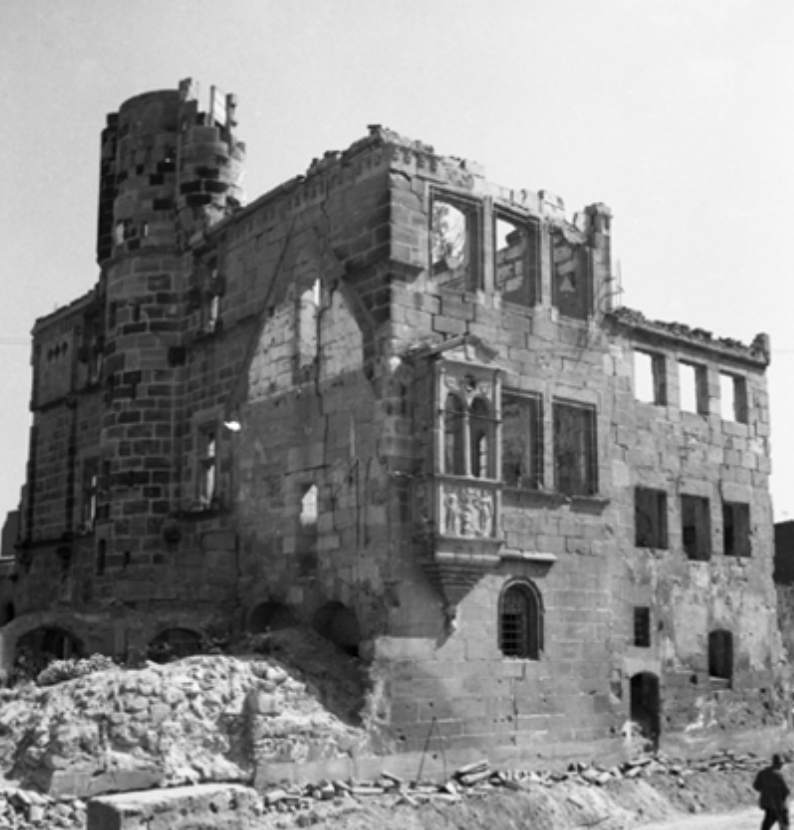
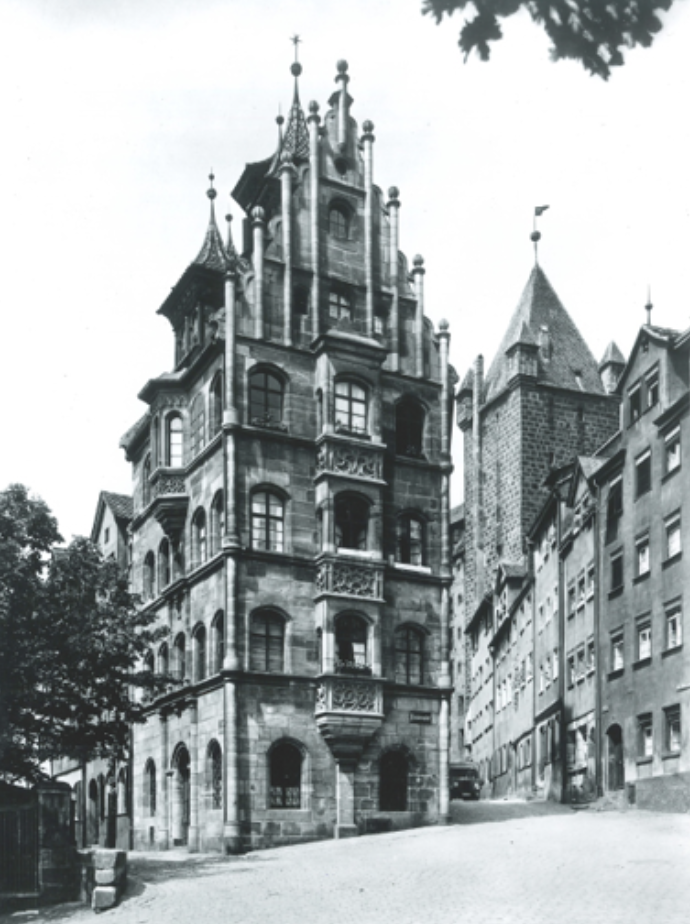
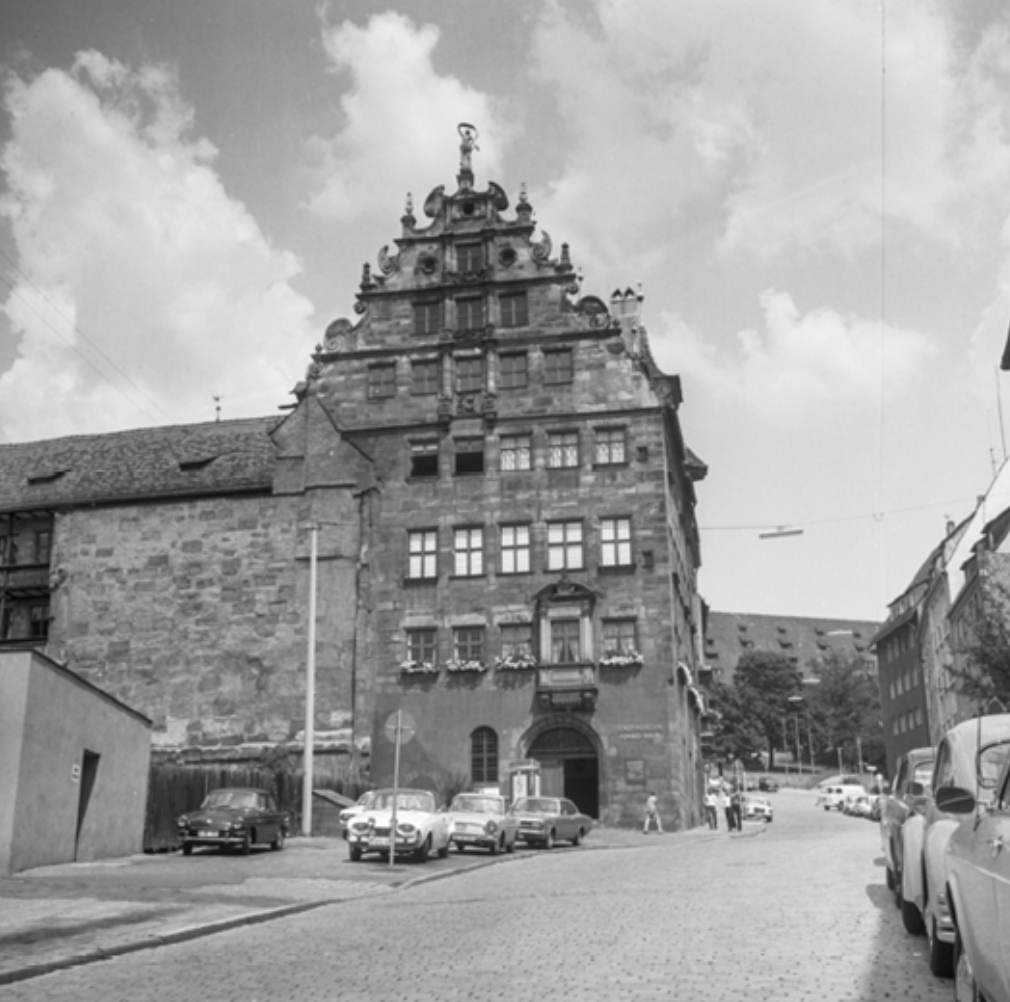
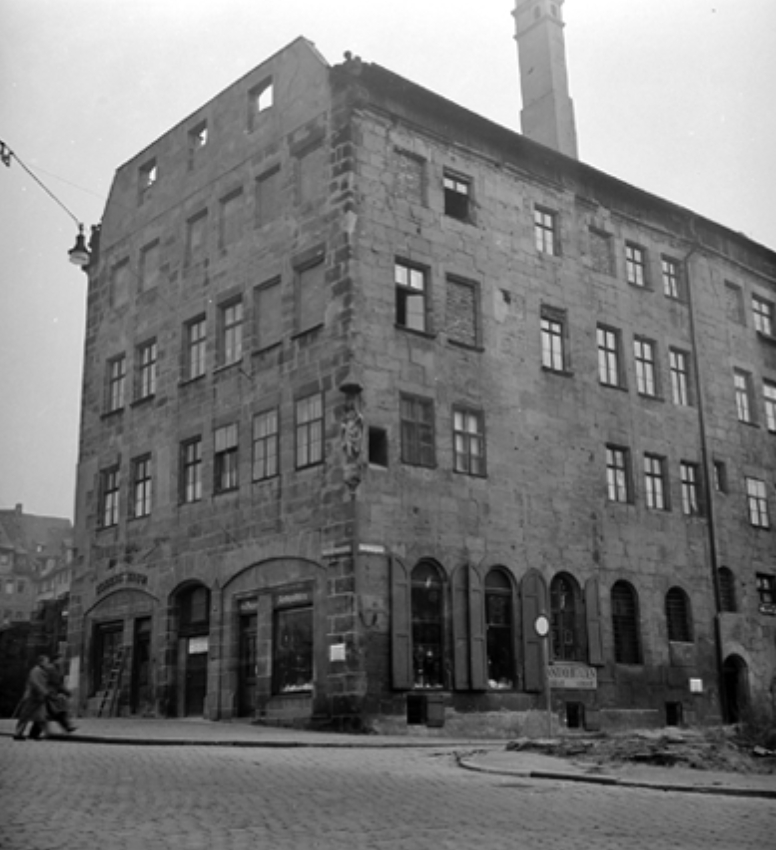
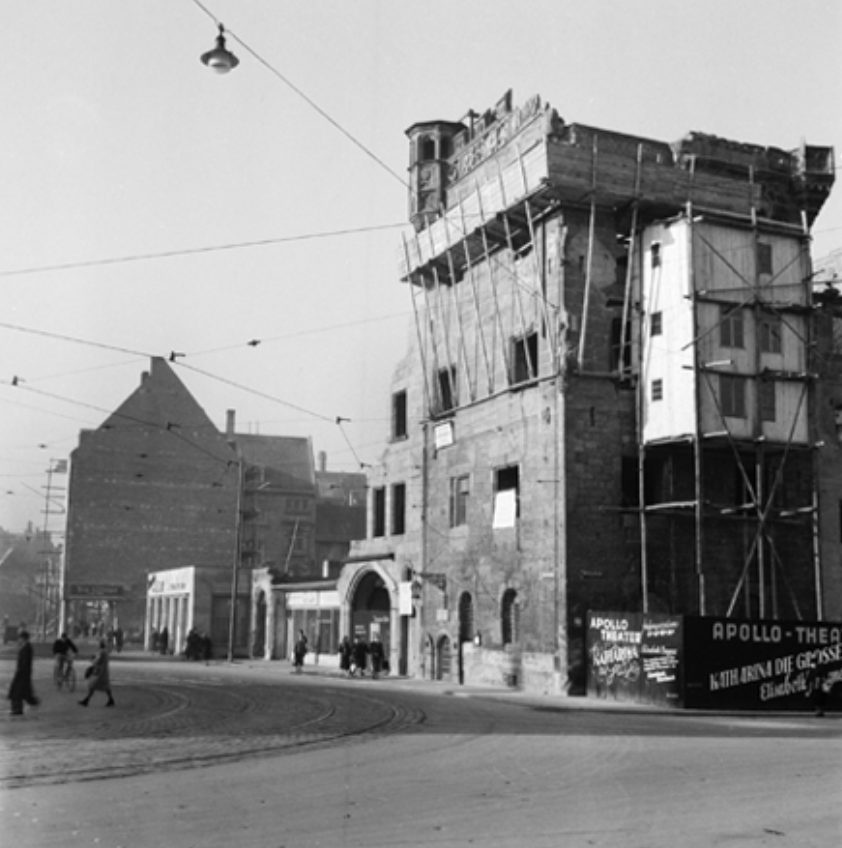
Right now, you are standing in the vestibule. The Fembo-Haus is the only large merchant residence of the Late Renaissance Era to have survived the destruction wrought by the air raids of World War II. Around the year 1600, Phillip van Oyrl, a Dutch merchant, built this residence on the site of an earlier structure. The house underwent major remodelling some 70 years later, during the Baroque era. The vestibule on the second floor and the so-called ballroom on the third floor are a testimony to this activity. The name Fembo-Haus refers to the publisher and cartographer Georg Christoph Franz Fembo, who bought the house at the beginning of the 19th century. The building has been home to the municipal museum since 1953.
Our tour through the history of Nuremberg begins on the fourth floor. You can use the stairs or the elevator to get to the first station, the room titled “Nuremberg. Images of a City”.
CITY MUSEUM AT FEMBO-HAUS
MEDIA GUIDE